Why Does My Fireplace Smell After Rain? Causes and Fixes
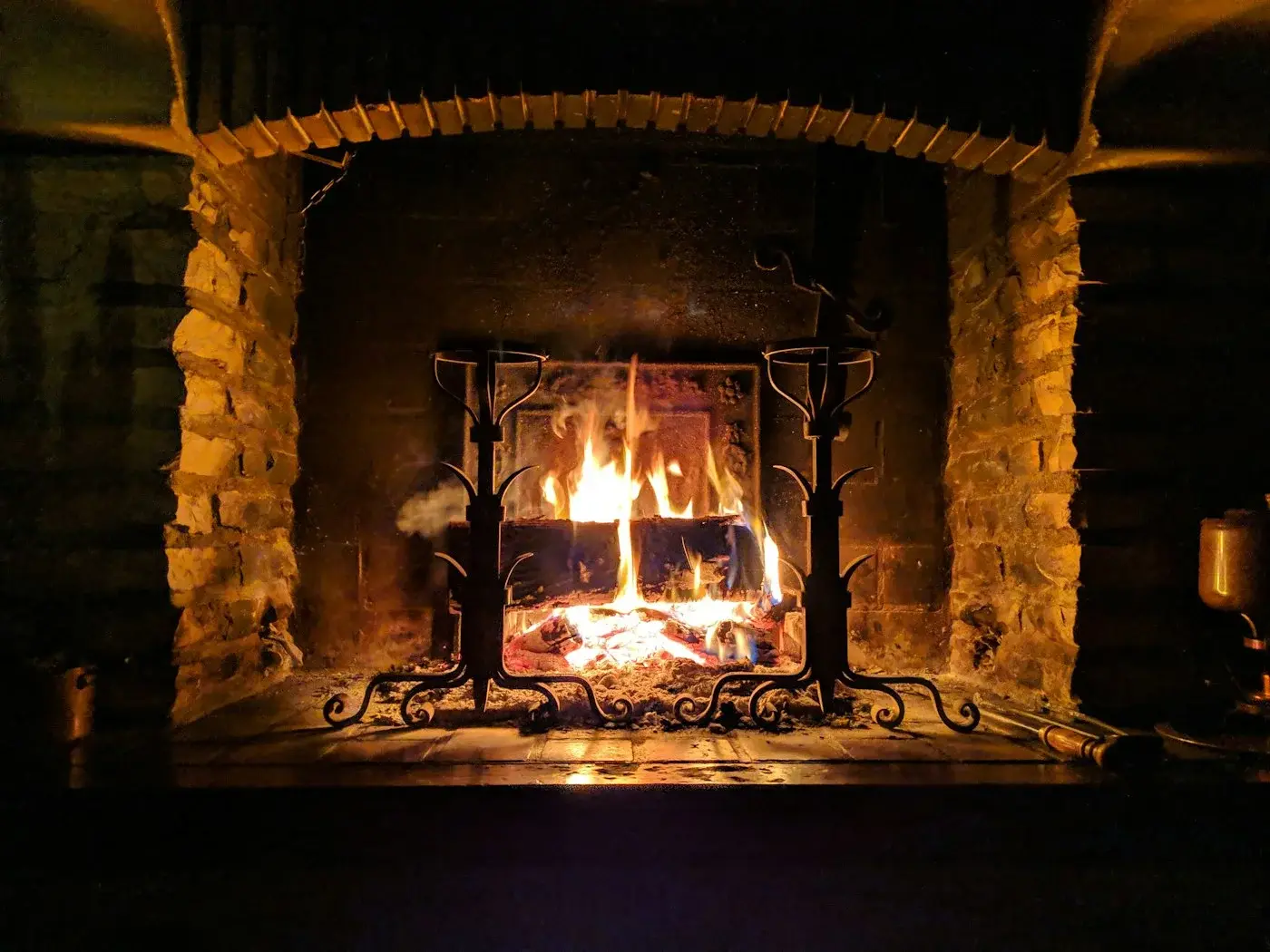
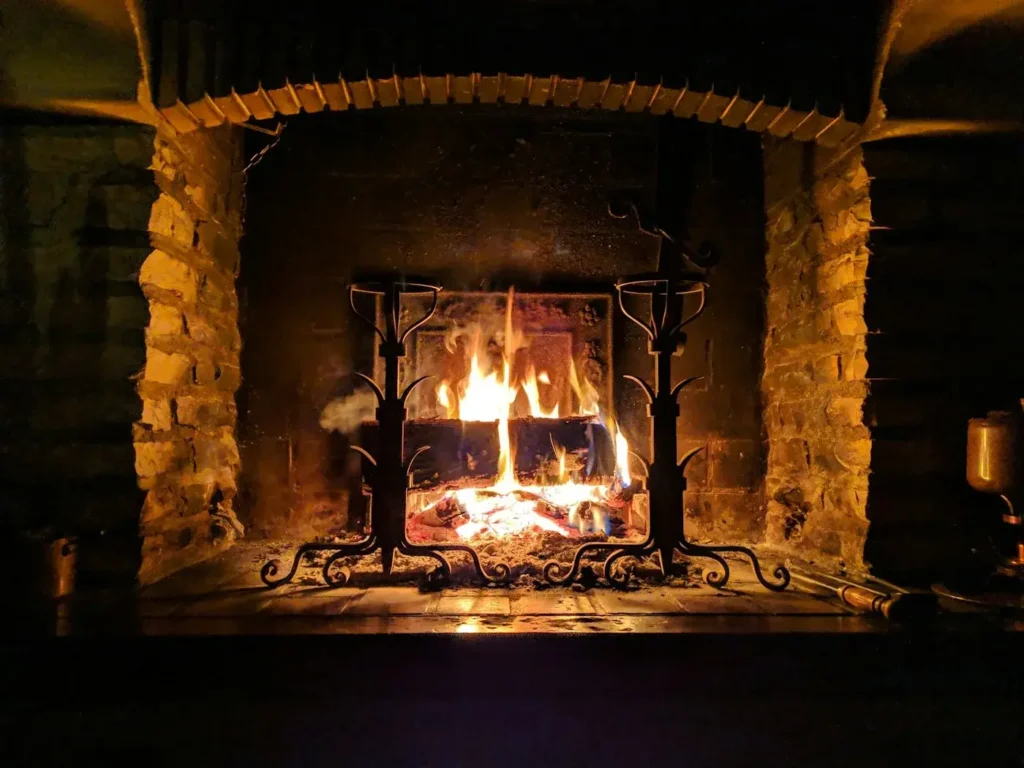
Quick answer: A campfire or musty smell from your fireplace after rain usually comes from moisture reacting with creosote and soot in the flue. It’s worse in humid weather and when the house pulls air down the chimney. The usual fix is a cleaning, a chimney cap, and a damper that seals tightly, plus repairing any leak that lets water in.
Key takeaways
- Humidity plus creosote causes most fireplace odors
- Rain getting into an uncapped or leaking chimney makes it worse
- Negative house pressure pulls the smell into the room
- A top-sealing damper stops humid air coming down the flue
- Strong rotten smells can mean a dead animal or nest
Why your fireplace smells after rain
- Moisture + creosote: water and humid air reactivate the smoky smell of old deposits
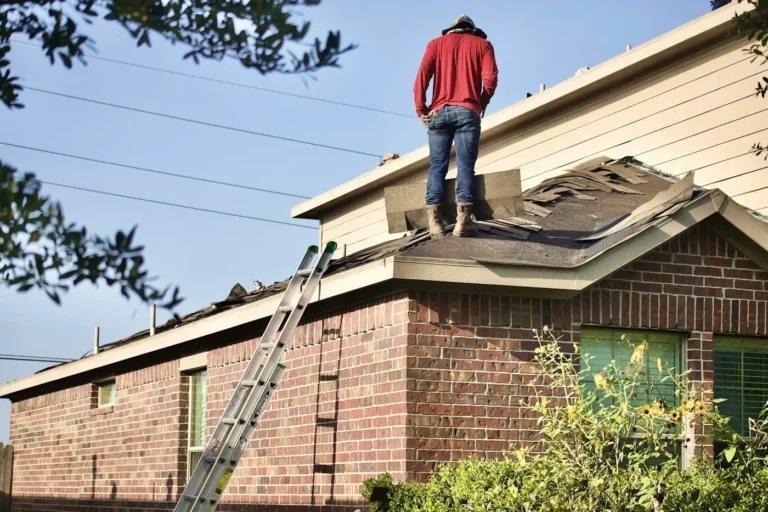
- Water entry: a missing cap, cracked crown or rusted chase cover lets rain soak the flue and smoke chamber
- Negative pressure: kitchen and bath fans, dryers and tight new homes can pull air down the chimney
- Debris or animals: wet leaves, nests or a dead animal create musty or rotten odors
- Mold: long-term dampness can lead to mold near the firebox or chimney walls
Match the smell to the cause
| Smell | Likely cause | Fix |
|---|---|---|
| Campfire / tar | Creosote reacting with humidity | Sweep, cap, top-sealing damper |
| Musty / damp | Water getting in | Find and repair the leak, waterproof |
| Rotten / sour | Dead animal or nest | Removal and cleaning, then a cap |
| Smell only when fans run | Negative house pressure | Close the damper; airflow changes |
Quick things you can try
- Close the damper tightly when the fireplace isn’t in use
- Close the glass doors, if you have them
- Run the exhaust fans less, or crack a window, to balance pressure
- Put an open box of baking soda in the firebox to absorb some odor
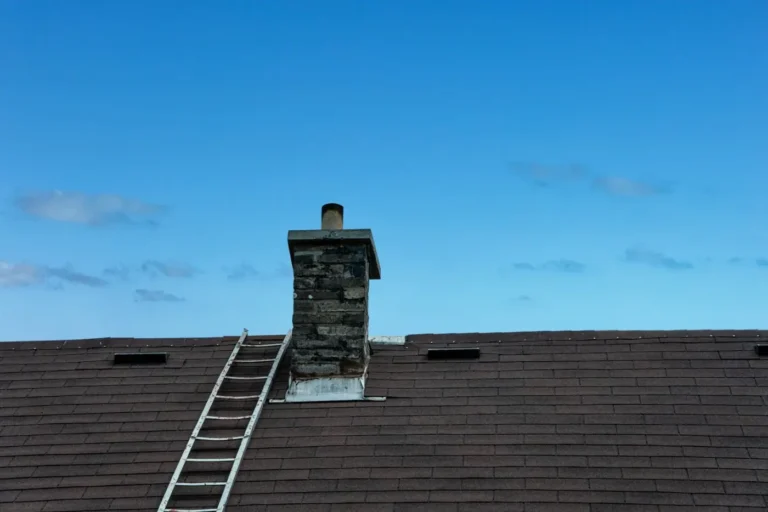
- Check from the yard that the chimney has a cap
Why this happens so often in Tampa
Tampa’s humidity stays high much of the year, and summer storms bring heavy rain. Fireplaces that sit unused from spring to winter collect moisture, and many older chimneys have no cap at all. That combination is why smelly fireplaces are most common in the summer.
Can’t get rid of the smell?
A local pro can find the cause and fix it, whether it’s creosote, water, an animal or a damper. See smoke and odor problems and leak repair.
Get help in Tampa Bay
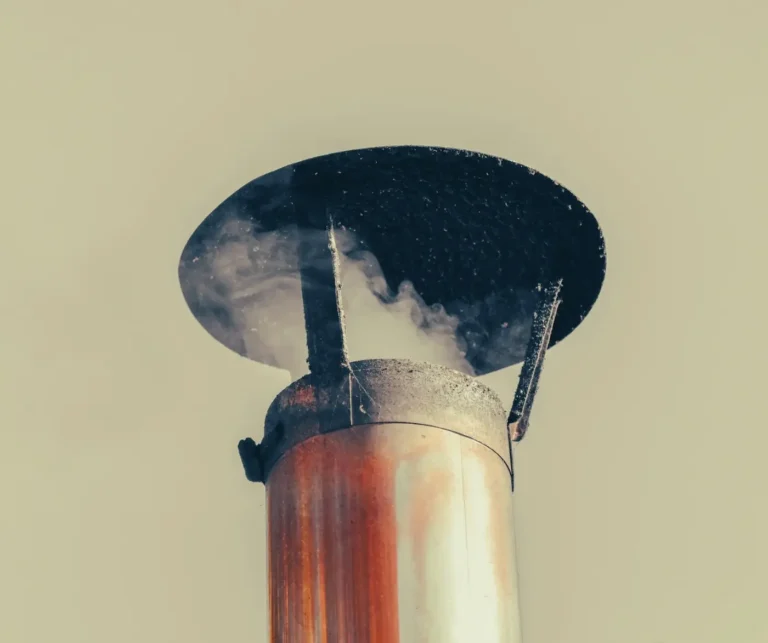
If the smell keeps coming back, book chimney leak repair to find where water gets in, or read about smoke, odor and draft problems. A rusted chimney top is a common cause, covered under chase cover and cap replacement.
Related guide: the difference between a chimney cap, crown and chase cover.
Frequently asked questions
Is a smelly fireplace dangerous?
The smell itself usually isn’t, but it can point to water damage, nests or mold that should be fixed.
Will a chimney sweep get rid of the smell?
Cleaning removes the creosote that causes most odors. A cap and a tight damper keep it from coming back.
What is a top-sealing damper?
A damper mounted at the top of the chimney that seals tightly when closed, keeping out humid air, rain and animals.
Why does it only smell when the AC or fans run?
Fans can create negative pressure that pulls air down the chimney into the room.
Can I use air freshener in the fireplace?
It may mask the smell briefly, but it won’t fix the cause.
Reviewed by the Chimney Sweeping Tampa team · Tampa, FL