Signs of a Chimney Fire and How to Prevent One
Quick answer: A chimney fire happens when creosote inside the flue ignites. Fast-burning ones are loud, with a roaring sound and dense smoke; slow-burning ones can go unnoticed but still crack the liner. Prevent them by burning dry wood, sweeping when buildup reaches about 1/8 inch, and having the chimney inspected every year. If you suspect a fire, get everyone out and call 911.
Key takeaways
- Creosote is the fuel for most chimney fires
- Loud roaring, dense smoke and a strong smell are warning signs
- Slow chimney fires can happen without anyone noticing
- After any suspected chimney fire, get a Level 2 inspection before using it again
- Dry wood and regular sweeping prevent most fires
What causes a chimney fire?
Wood smoke contains tar and gases that condense on the cooler flue walls as creosote. It builds in three stages, from loose soot to crunchy flakes to a hard, shiny glaze, and every stage can burn. When a hot fire reaches enough creosote with enough air, it ignites inside the chimney.
| Creosote stage | What it looks like | Fire risk |
|---|---|---|
| Stage 1 | Dark, powdery soot | Present; easiest to remove |
| Stage 2 | Crunchy, flaky deposits | Higher |
| Stage 3 | Shiny, tar-like glaze | Highest; burns very hot and is hard to remove |
Signs of a chimney fire happening now
- A loud cracking or popping noise, or a sound like a freight train
- Dense smoke from the fireplace or chimney top
- A strong, hot, burning smell
- Flames or sparks shooting from the top of the chimney
What to do during a chimney fire
- Get everyone out of the house
- Call 911
- If it’s safe, close the fireplace doors and damper to reduce air
- Don’t throw water into a hot firebox or flue
- Don’t use the fireplace again until it has been inspected
Signs you may have had a chimney fire
Slow-burning chimney fires often go unnoticed. Look for:
- Puffy, honeycomb-looking creosote in the flue
- A warped damper or metal parts
- Cracked or collapsed flue tiles
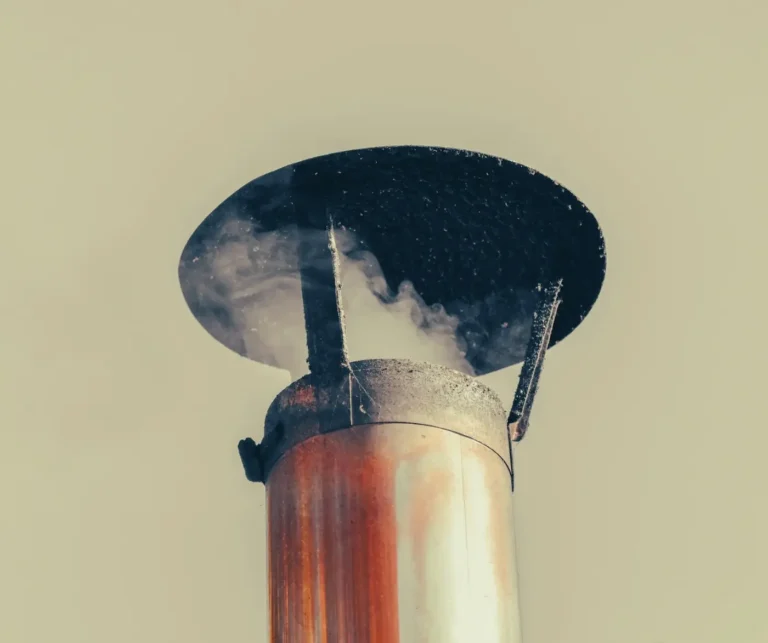
- Discolored or distorted chimney cap
- Creosote flakes on the roof or ground
- Cracks in the exterior masonry or damaged roofing near the chimney
How to prevent chimney fires
- Burn dry, seasoned firewood with moisture under 20% (EPA Burn Wise)
- Avoid smoldering fires; burn smaller, hotter fires
- Never burn trash, cardboard, wrapping paper or treated wood
- Have the chimney inspected every year (NFPA 211)
- Sweep when buildup reaches about 1/8 inch (CSIA guidance)
- Keep a working cap on the chimney to block debris and nests
Do creosote sweeping logs work?
Creosote sweeping logs and powders can loosen some deposits so they’re easier to remove, but they don’t remove creosote from the flue and they don’t inspect anything. Use them between professional cleanings, not instead of one.
Chimney fires and Tampa homes
Most Tampa fireplaces are used lightly, so heavy creosote is less common than up north. But many chimneys here haven’t been checked in years, and nests, debris and old glazed creosote can still feed a fire on the first cold night of the season.
Had a chimney fire, or not sure?
A local pro can check for fire damage with a camera scan and give you a written report. See our chimney inspection and cleaning services.
Get help in Tampa Bay
After any suspected chimney fire, stop using the fireplace and book a Level 2 chimney inspection. Damage is handled through chimney repair or chimney liner installation services, and regular chimney sweeping is the best way to prevent a repeat.
Related guide: how often your chimney should be swept in Florida.
Frequently asked questions
How common are chimney fires?
They’re common enough that fire safety groups recommend yearly inspections. Many go unnoticed because they burn slowly.
Can a chimney fire burn out on its own?
It can, but it may still damage the liner, damper and masonry. Always have the chimney inspected after a suspected fire.
Is it safe to use the fireplace after a chimney fire?
Not until it has been inspected, usually with a Level 2 inspection and camera scan.
Does a gas fireplace cause chimney fires?
Gas doesn’t create creosote, but blocked vents and nests can still be hazards. Gas units need yearly service.
Will homeowners insurance cover chimney fire damage?
It depends on your policy. Dated photos and an inspection report help with a claim.
Sources
Reviewed by the Chimney Sweeping Tampa team · Tampa, FL