How Often Should a Chimney Be Swept in Florida?
Quick answer: NFPA 211, the national chimney safety standard, recommends an inspection every year. Sweep when buildup calls for it; the Chimney Safety Institute of America (CSIA) uses about 1/8 inch of soot or creosote as the point to clean. For most Tampa homes that light a few fires each winter, that means a sweep every one to two years, plus a yearly inspection.
Key takeaways
- Inspect every year, even if you rarely use the fireplace
- Sweep when buildup reaches about 1/8 inch, or yearly if you burn often
- Burning pine or wet wood means more frequent sweeping
- Gas fireplaces need a yearly service, not a sweep
- In Florida, water damage is a bigger risk than creosote
The official guidance
NFPA 211 calls for chimneys, fireplaces and vents to be inspected at least once a year and cleaned when needed. The CSIA, which certifies chimney sweeps, recommends cleaning when there’s about 1/8 inch of buildup inside the flue, or sooner if there’s glazed creosote.
How often to sweep, by how you use your fireplace
| How you use it | Inspection | Sweep |
|---|---|---|
| A few fires each winter (most Tampa homes) | Every year | Every 1–2 years, or when buildup reaches ~1/8 inch |
| Several fires a week in season | Every year | Every year, sometimes mid-season |
| Wood stove or insert used often | Every year | Every year or more |
| Gas logs or gas insert | Every year | Not needed; yearly gas service instead |
| Never used | Every year (water, nests, rust) | Only if debris is found |
Why Florida chimneys still need yearly checks
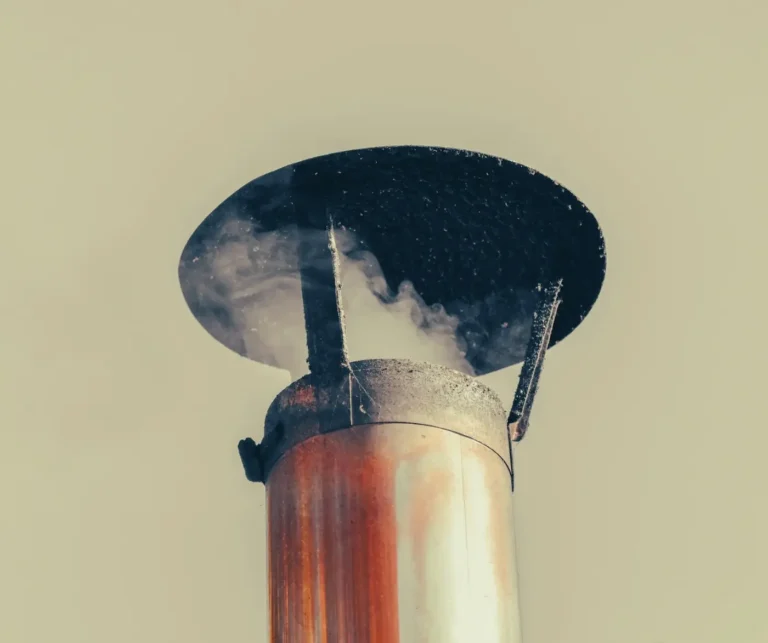
Even if you only light a fire on a few cold-front nights, Tampa chimneys face rain, humidity, salt air and storms year-round. Yearly inspections mostly find leaks, rusted caps and chase covers, cracked crowns and animal nests, which can cost far more than a sweep if they’re missed.
Things that mean you need a sweep sooner
- You burn pine or wood that isn’t fully dry
- Your fires smolder or smoke a lot
- You see black, flaky or shiny buildup in the firebox or flue
- There’s a strong campfire or tar smell, especially in humid weather
- Nests, leaves or debris fall into the firebox
What wood to burn to keep your chimney cleaner
Burn dry, seasoned wood with moisture under 20%, the guideline from the EPA’s Burn Wise program. Wet wood smokes more and builds creosote faster. A low-cost moisture meter tells you in seconds.
Not sure when your chimney was last cleaned?
A good pro inspects first and tells you honestly whether you need a sweep. See our chimney cleaning and inspection services.
Get help in Tampa Bay
Ready to book? The chimney cleaning service in Tampa includes a Level 1 inspection with every sweep. If you’re buying a home or something has changed, a full chimney inspection is the better first step, and the chimney sweep cost guide shows typical prices.
Frequently asked questions
Do I need my chimney swept every year?
Not always. You need it inspected every year; sweep when buildup reaches about 1/8 inch or if you burn often.
Can I skip a year if I didn’t use the fireplace?
You can often skip the sweep, but not the inspection. Unused Florida chimneys still get leaks, rust and nests.
How long does a chimney sweep take?
About an hour for one flue, including setup and cleanup.
What’s the best time of year to sweep in Tampa?
Spring through early fall is easiest to book, before the cold-front rush.
Do creosote sweeping logs replace a sweep?
No. They can loosen some deposits, but they don’t remove them or inspect anything.
Sources
Reviewed by the Chimney Sweeping Tampa team · Tampa, FL